Recognizing the Environmental Benefits of Light Weight Aluminum Factory Techniques
Aluminum factory strategies play a vital function ahead of time sustainability within the manufacturing market. By implementing sophisticated reusing methods and energy-efficient practices, these methods significantly minimize waste and carbon footprints. Ingenious spreading techniques further enhance source preservation efforts. As sectors significantly focus on environmental duty, recognizing the complete impact of these techniques becomes vital. What specific innovations are leading the means in this makeover?
The Role of Light Weight Aluminum in Sustainable Production
Although many products add to sustainable manufacturing, light weight aluminum sticks out because of its unique buildings and recyclability. This lightweight steel is not only long lasting yet additionally has outstanding corrosion resistance, making it a perfect choice for various applications, from vehicle to construction. Its high strength-to-weight proportion leads to energy savings during transport and usage. Additionally, light weight aluminum can be recycled forever without shedding its intrinsic high qualities, promoting a round economy.
The manufacturing process of light weight aluminum has developed, incorporating energy-efficient techniques that minimize carbon footprints. By using sustainable energy resources, manufacturers are significantly reducing the ecological influence linked with aluminum production. Additionally, using recycled light weight aluminum calls for considerably much less energy compared to removing and improving main light weight aluminum, causing lower greenhouse gas discharges. As industries seek lasting services, aluminum's flexibility and eco-friendly characteristics placement it as a critical material in the search of greener production practices.
Advanced Recycling Techniques in Aluminum Foundries
Advanced recycling strategies in aluminum factories are revolutionizing the method scrap light weight aluminum is processed and recycled. Ingenious methods, such as closed-loop recycling systems, enable foundries to redeem aluminum from manufacturing waste and out-of-date products successfully. These systems lessen material loss and boost the quality of recycled aluminum, making it a viable alternative to primary light weight aluminum production.
Additionally, advanced sorting technologies, consisting of automated optical sorting and X-ray fluorescence, enhance the splitting up of aluminum from other products, guaranteeing higher purity levels in recycled outcomes. This accuracy decreases contamination, which can endanger the integrity of the final product.
The combination of sophisticated melting innovations, such as induction melting and energy-efficient furnaces, enhances the recycling procedure, decreasing energy intake. Collectively, these technologies contribute to an extra lasting aluminum industry by lowering reliance on virgin products and lowering greenhouse gas exhausts associated with aluminum production.
Power Efficiency Improvements in Factory Procedures
Power performance improvements in light weight aluminum factory procedures can considerably boost sustainability practices. Implementing waste warmth healing systems allows factories to repurpose excess power, minimizing overall power consumption. In addition, advancements in procedure automation enhance operations, bring about lowered waste and maximized source usage.
Waste Warm Recuperation
Carrying out waste warmth healing systems in aluminum factories greatly enhances energy performance by recording and recycling excess thermal energy produced throughout production procedures. These systems promote the conversion of wasted warmth right into functional power, which can be utilized for different applications within the foundry, such as preheating materials or powering tools. By recouping heat that would certainly otherwise be removed into the setting, factories can considerably decrease their overall energy consumption and greenhouse gas exhausts. This strategy not just reduces functional expenses but likewise promotes lasting practices within the sector. Furthermore, the fostering of waste heat healing technologies straightens with governing requirements intended at minimizing environmental effect, making it a vital part of modern-day light weight aluminum shop operations.
Process Automation Benefits
Automating processes in light weight aluminum factories can substantially improve power effectiveness by maximizing production operations and decreasing waste. By executing sophisticated modern technologies such as robotics and artificial intelligence, foundries can improve procedures, decreasing unneeded power intake. Automated systems facilitate specific control over temperature and material handling, making certain that energy is made use of only when required. In addition, real-time surveillance permits prompt modifications, minimizing the threat of energy loss. The assimilation of automation not only enhances productivity but additionally lowers functional prices, making shops more affordable. Because of this, these energy-efficient practices add considerably to sustainability objectives, minimizing the ecological footprint of aluminum production while fulfilling boosting market demands - aluminum casting. Enhanced power performance via automation represents an essential action in the direction of greener foundry procedures
Reducing Waste Through Cutting-edge Casting Approaches
Cutting-edge about his casting approaches play a vital function in decreasing waste in light weight aluminum factories. Strategies such as advanced molding and the application of recyclable materials greatly decrease manufacturing scrap. These methods not only enhance performance however also add to a more lasting manufacturing procedure.
Advanced Molding Techniques
As industries progressively prioritize sustainability, advanced molding methods in light weight aluminum foundries emerge as effective remedies for decreasing waste. These innovative methods, such as 3D printing and precision mold and mildew making, considerably enhance the performance of the spreading process. By utilizing computer-aided design (CAD) and simulation innovations, makers can optimize mold and mildew geometry, lessening product use while maintaining product honesty. Furthermore, advanced methods make it possible for the production of complex forms that standard techniques can not attain, reducing the demand for additional machining and thereby reducing scrap material. The flexibility of these methods enables quick prototyping, more lowering click here for info lead times and energy usage. Overall, the implementation of innovative molding techniques stands for a vital action towards environmentally accountable aluminum production, aligning with worldwide sustainability goals.
Recyclable Material Usage
Recyclable products play a crucial role in lowering waste within aluminum shops, changing the casting landscape through their effective utilization. By including scrap aluminum and other recyclable components right into the manufacturing process, shops can substantially decrease the need for virgin products. This not only preserves natural deposits but also lessens energy usage linked with mining and refining. Cutting-edge casting methods, such as die spreading and sand casting, permit seamless combination of these products, making certain top quality results. Furthermore, making use of recyclable products cultivates a round economic situation, where resources are constantly recycled and repurposed, decreasing land fill contributions. Ultimately, the strategic usage of recyclables boosts sustainability while promoting cost-effectiveness in light weight aluminum foundry procedures.
Reducing Production Scrap
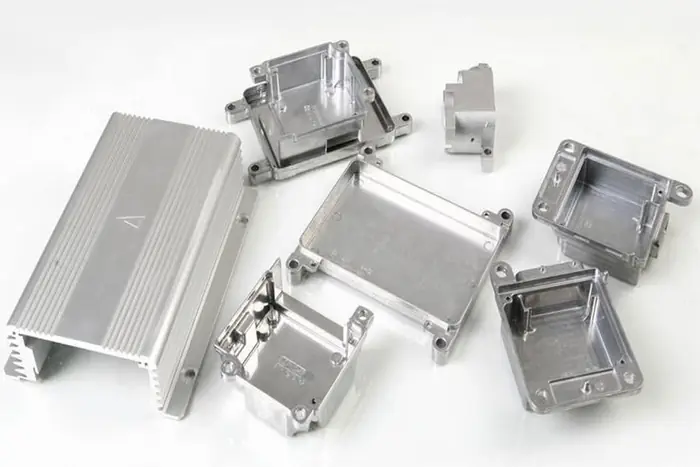
Life Process Analysis of Aluminum Products
Aluminum is extensively recognized for its long lasting and lightweight residential properties, a complete Life Cycle Assessment (LCA) exposes the environmental effects associated with its disposal, manufacturing, and use. The LCA procedure takes a look at the power intake, greenhouse gas discharges, and resource deficiency connected to aluminum items from extraction of bauxite ore to end-of-life monitoring. Primary aluminum production is energy-intensive, typically depending on fossil gas, which contributes significantly to carbon impacts. On the other hand, reusing Learn More Here light weight aluminum provides significant ecological advantages, as it uses only a portion of the energy needed for key production. The recycling process decreases landfill waste and preserves all-natural sources. The LCA likewise takes into consideration the item's long life and capacity for reuse, stressing the importance of lasting style. In general, understanding the life cycle impacts of aluminum products is essential for making notified choices that focus on ecological sustainability within the sector.
Instance Studies: Effective Lasting Practices in the Industry
The light weight aluminum sector has begun to welcome ingenious sustainable methods that address the ecological obstacles determined in Life process Assessments. One noteworthy instance is a leading shop that implemented a closed-loop recycling system, significantly reducing waste and energy intake. By recycling scrap aluminum in production, the facility attained a 40% reduction in its carbon footprint.
One more example entails a maker that took on renewable power sources, powering its operations with solar and wind energy - aluminum casting. This change not only lowered greenhouse gas emissions yet likewise improved the business's reputation among environmentally conscious consumers
Furthermore, a 3rd foundry has actually purchased sophisticated casting techniques, which optimize product usage and reduce flaws, further decreasing source intake. These study highlight that the aluminum sector is capable of integrating sustainable techniques, showing both environmental responsibility and economic practicality, ultimately adding to an extra lasting future.
Regularly Asked Concerns
Exactly How Does Aluminum Contrast to Other Steels in Sustainability?
Light weight aluminum is typically taken into consideration more sustainable than many metals due to its recyclability, reduced power requirements for manufacturing, and reduced environmental influence. Its lifecycle performance goes beyond that of steel and copper in various applications.
What Is the Carbon Impact of Aluminum Foundry Processes?
The carbon impact of aluminum factory procedures varies, commonly ranging from 4 to 15 metric bunches of CO2 per lots of light weight aluminum created. Aspects influencing this include power sources, technology, and the efficiency of procedures.
Are There Health And Wellness Risks Connected With Aluminum Factory Workflow?
What Are the Costs Related To Sustainable Aluminum Techniques?
The expenses related to sustainable aluminum techniques include higher preliminary financial investments in technology, possible boosts in operational costs, and continuous maintenance. These are commonly countered by long-lasting cost savings and decreased ecological impact.
Exactly How Does Aluminum Recycling Impact Local Communities?
Light weight aluminum reusing favorably effects local communities by developing jobs, reducing landfill waste, and reducing power prices. It promotes financial development and promotes environmental stewardship, resulting in much healthier living problems and enhanced community interaction in sustainability efforts.
In addition, the usage of recycled aluminum requires considerably much less power contrasted to extracting and improving main aluminum, leading to lower greenhouse gas discharges. Advanced reusing methods in light weight aluminum shops are changing the means scrap light weight aluminum is refined and recycled. Aluminum Casting Company. Applying waste warmth healing systems in aluminum factories substantially improves energy effectiveness by catching and recycling excess thermal power produced during production processes. Automating procedures in light weight aluminum factories can greatly boost energy efficiency by enhancing production operations and reducing waste. The carbon footprint of aluminum shop procedures differs, normally ranging from 4 to 15 statistics loads of CO2 per heap of light weight aluminum produced